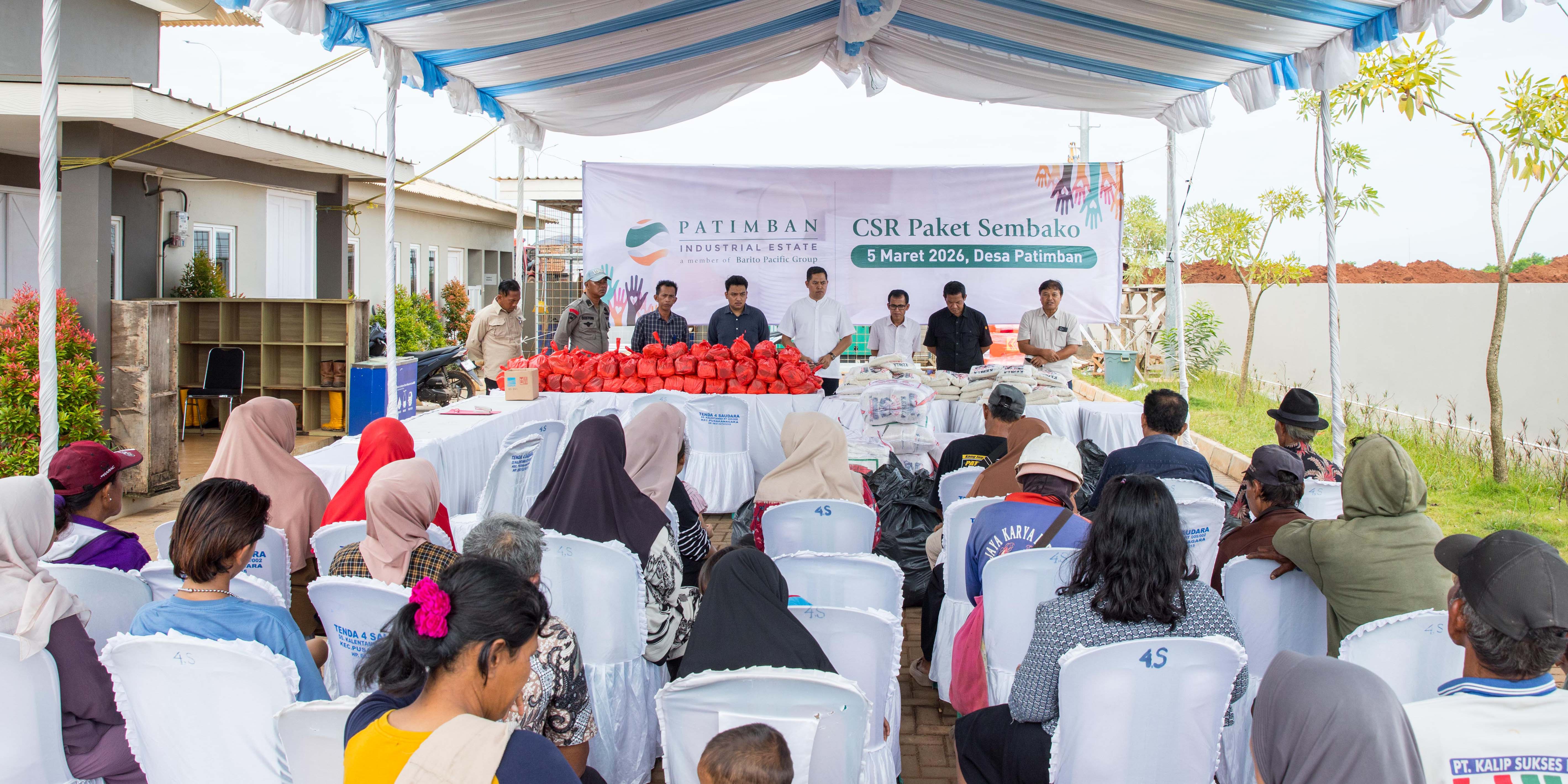
Industrial zones are no longer defined only by land, utilities, and access roads. They are defined by workforce skills: the practical capabilities that keep production lines stable, warehouses accurate, and shipments moving on time. This shift is especially visible in port-linked ecosystems such as Patimban Industrial Estate, where advanced manufacturing and integrated logistics are designed to operate side by side. (Patimban Estate)
The question for employers is no longer “Do we need more people?” but “Do we have the right skills mix to run modern operations safely, efficiently, and sustainably?”
Why skill demand is changing so quickly in industrial areas
Three forces are compressing the timeline for talent development:
- Automation is scaling fast. The International Federation of Robotics reported 4,664,000 industrial robots in operational use worldwide in 2024, reflecting accelerating adoption in factories. (IFR International Federation of Robotics)
- The skills half-life is shrinking. The World Economic Forum (WEF) estimates that, if the world’s workforce were 100 people, 59 would need training by 2030, and skill gaps are cited as a major barrier to transformation by 63% of employers. (World Economic Forum)
- AI is changing daily work, not only “tech jobs.” McKinsey reports demand for AI fluency has grown sevenfold in two years in US job postings, a signal of how quickly AI-enabled tools are spreading across roles. (McKinsey & Company)
In industrial estates, these pressures show up in very concrete ways: more sensors on equipment, more digitized inspections, tighter customer quality requirements, stricter EHS expectations, and rising demand for greener operations.
The most needed workforce skills in industrial areas today
Below are the capabilities employers repeatedly prioritize when industrial operations modernize, especially in manufacturing, logistics, and maintenance-intensive environments.
1) Analytical thinking and structured problem-solving

Industrial performance is built on thousands of small decisions: diagnosing a defect trend, isolating a bottleneck, interpreting downtime patterns, and deciding whether to adjust process parameters or stop the line.
WEF notes analytical thinking remains the most sought-after core skill among employers. (World Economic Forum)
In practice, this skill looks like:
- Root cause analysis (5 Whys, fishbone/Ishikawa)
- Data-informed troubleshooting (not guesswork)
- Clear escalation and documentation habits
2) Quality control and process discipline
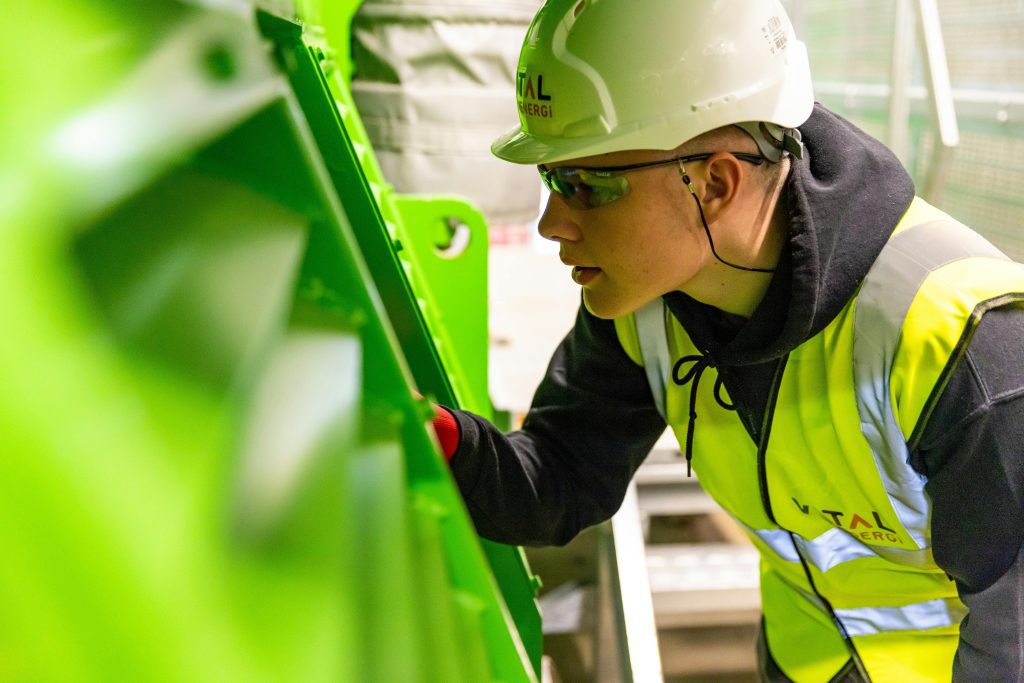
Quality is no longer a “final inspection” function. It is embedded into process design and daily execution. WEF highlights quality control and resource management and operations as differentiators between growing and declining jobs. (World Economic Forum)
High-impact competencies include:
- Statistical process control basics (reading control charts, understanding variation)
- Standard work and traceability practices
- Corrective and preventive action (CAPA) discipline
3) Digital literacy for the shopfloor and warehouse

In modern industrial areas, digital tools sit directly in frontline workflows: production dashboards, maintenance apps, inventory scanning, and electronic work instructions.
WEF lists AI and big data, technology literacy, and networks and cybersecurity among the fastest-growing skills. (World Economic Forum)
For industrial roles, that translates into:
- Comfort with MES/WMS-style systems and mobile handheld workflows
- Basic data interpretation (KPIs, OEE, inventory accuracy, OTIF)
- Cyber hygiene awareness, especially where IT meets operational technology
4) Automation, mechatronics, and modern maintenance

As robotics and automation grow, the most valuable technicians are no longer “repair-only.” They are reliability-minded and can maintain automated systems with minimal downtime.
With global robot installations staying above 500,000 units annually and operational stock rising, the need for people who can keep automated assets running is clear. (IFR International Federation of Robotics)
Core capabilities often include:
- PLC awareness, sensor troubleshooting, basic robotics handling
- Predictive maintenance habits (condition monitoring concepts)
- Safe lockout-tagout (LOTO) discipline and maintenance documentation
5) Safety, risk management, and regulatory discipline

Industrial growth increases operational complexity: heavy equipment, high-voltage systems, chemical handling, confined spaces, and transport movements. Strong EHS competence reduces incidents and protects business continuity.
This skill cluster typically covers:
- Hazard identification and risk assessment
- Permit-to-work systems and incident reporting
- Emergency response readiness and safety leadership on the floor
6) Logistics and supply chain execution skills
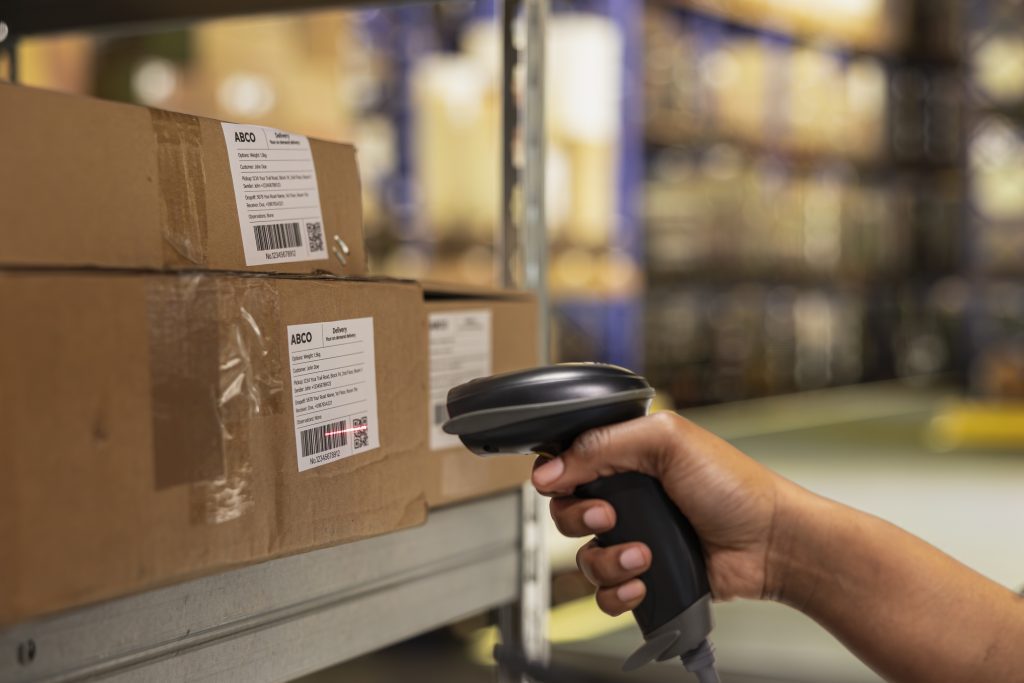
Industrial estates connected to ports depend on precise logistics. The competitive edge is often not a dramatic innovation, but consistent execution: correct labeling, accurate documentation, clean handoffs, and predictable lead times.
Capabilities that matter include:
- Warehouse operations (slotting, cycle counts, handling standards)
- Transport coordination and dock discipline
- Documentation awareness (customs readiness, basic trade and shipment documentation)
For Patimban’s ecosystem, where the estate is positioned as a logistics-integrated SEZ near the port, these execution skills become a core part of competitiveness, not a support function. (Patimban Estate)
7) Green and energy transition skills
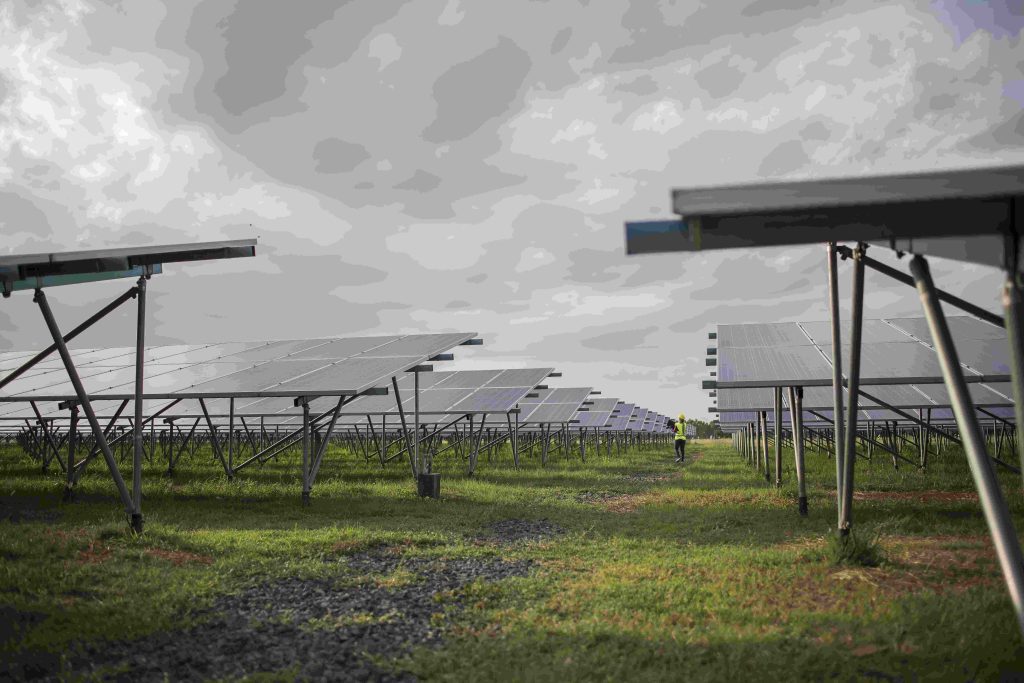
Many industrial parks now integrate sustainability infrastructure, from waste management to water treatment and renewable energy initiatives. Patimban Industrial Estate explicitly highlights “green initiatives” in its positioning. (Patimban Estate)
This raises demand for skills such as:
- Energy efficiency practices (compressed air, motors, heat management basics)
- Waste segregation, environmental compliance, and reporting discipline
- Continuous improvement applied to resource use, not only cost
The ILO has also emphasized the importance of skills to thrive across the green and digital transitions, reinforcing that sustainability competence is moving into the mainstream of workforce planning. (International Labour Organization)
8) Human-centered skills that keep operations resilient

Technical capability alone does not stabilize output. Industrial environments need people who can collaborate across shifts, manage change, and lead improvements without creating friction.
WEF highlights resilience, flexibility and agility, leadership and social influence, and curiosity and lifelong learning as skills expected to rise in importance. (World Economic Forum)
How companies in industrial estates can build these skills faster
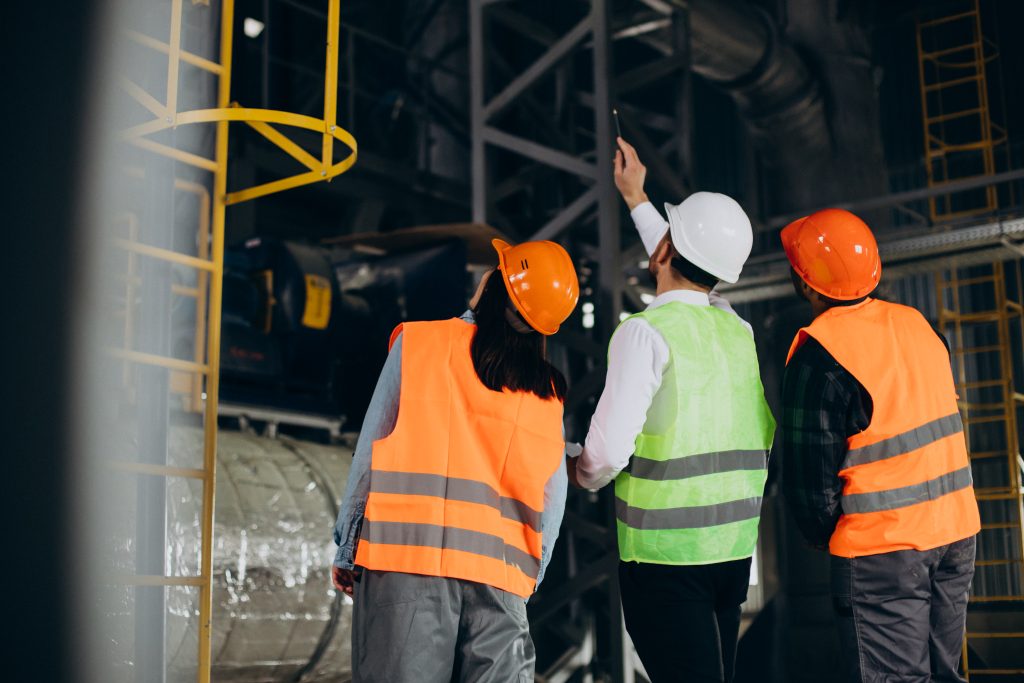
Because skills are shifting quickly, winning companies treat learning as an operational system, not an HR side project.
Practical approaches that work in industrial areas:
- Create a role-based skills matrix (operators, QC, maintenance, warehouse, supervisors) and tie it to measurable proficiency levels.
- Blend training formats: short modules, on-the-job coaching, and simulation-based practice for high-risk tasks.
- Cross-train to build flexibility: multi-skilled teams reduce overtime spikes and improve continuity during peak demand.
- Invest in “AI fluency” where it counts: focus on using AI tools to support inspections, documentation, scheduling, and troubleshooting, aligned with real workflows. (McKinsey & Company)
- Track progress like a KPI: WEF’s data suggests upskilling is becoming a default strategy, with 85% of employers planning to prioritize workforce upskilling. (World Economic Forum)
Conclusion
Industrial areas today compete on speed, quality, and reliability, but the foundation of all three is workforce skills. Automation growth, AI-enabled workflows, and sustainability expectations are changing job requirements faster than traditional hiring pipelines can respond. (IFR International Federation of Robotics)
This is why the most future-ready industrial ecosystems treat skills as core infrastructure, on the same level as utilities, transport access, and digital connectivity. Companies that invest early in digital literacy, quality discipline, automation maintenance, safety leadership, and green operations will not only fill vacancies, they will build teams that keep production stable and customers confident for the long term.In that context, Patimban Industrial Estate stands out as an ideal industrial estate: strategically positioned within a port-linked ecosystem, designed for manufacturing and logistics integration, and aligned with modern, sustainability-oriented industrial development.